Human Rights and Human Capital Management
The Company recognizes that “personnel” are a crucial foundation for sustainable business growth, particularly amid rapid changes in business competition and technological advancement, which may cause social risks such as human rights violations, unfair labor practices, or occupational health and safety concerns. The Company places strong emphasis on respecting and upholding the human rights of all stakeholders without discrimination, ensuring human rights due diligence, and managing human resources responsibly. The Company supports employee development at all levels to enhance knowledge and skills, provides career advancement opportunities, and promotes fair and equitable employment with respect for human rights. The Company provides internship opportunities for students to contribute to workforce development and support future sustainable business operations.
Human Rights
Policies and Management Approach
The Company supports and respects human rights in accordance with the Universal Declaration of Human Rights (UDHR), the United Nations Guiding Principles on Business and Human Rights (UNGP), the International Labour Organization (ILO) Declaration on Fundamental Principles and Rights at Work, the Children’s Rights and Business Principles (CRBP), and the Thai Labour Standards (TLS).
These principles, covering human rights protection, respect for human rights, remediation, policy commitments, and the identification of human rights risks in business operations, have been adopted as the Company’s Human Rights Policy framework. The Corporate Governance and Sustainability Committee is responsible for defining the human rights policy and overseeing its implementation by executives to ensure alignment with human rights principles. Furthermore, the Company has been certified under the Thai Labour Standard (TLS 8001) since 2020, demonstrating responsible labor practices and management in compliance with applicable labor standards, requirements, and labor laws in accordance with the Company's social and labor responsibility policy.
For more information available in:
Human Rights Due Diligence (HRDD)
The Company recognizes and values equality in the human rights and dignity of all individuals. This commitment is reflected in responsible business operations that embrace diversity, ensure fair treatment of workers, respect human rights protections, and treat all stakeholder groups equally, including employees, communities, and society as a whole, without discrimination based on race, nationality, religion, language, culture, beliefs, values, skin color, gender, sexual orientation, age, education, physical condition, or social status. The Company takes proactive measures to ensure that its business operations are not directly or indirectly involved in human rights violations, including forced labor or child labor.
To reinforce this commitment, the Company has established Human Rights Due Diligence (HRDD) in accordance with the United Nations Guiding Principles on Business and Human Rights (UNGP). The HRDD framework covers all operations and stakeholders throughout the supply chain and is supported by ongoing coordination and monitoring by the Sustainability and Risk Management Working Team. The Company conducts potential risk assessments of employees and visitors in relation to occupational health, safety, and work environment, considering environmental impacts on surrounding communities, and provides accessible grievance mechanisms for individuals impacted by the human rights violation, considering the nature and severity of the impact.
In addition, the Company assesses the sustainability risks of new suppliers and critical suppliers with an emphasis on social risks, such as human rights and fair labor practices.
The Company conducts an annual review of human rights due diligence and prepares a comprehensive report for disclosure to stakeholders through the Company’s communication channels.
Human Rights Due Diligence Framework
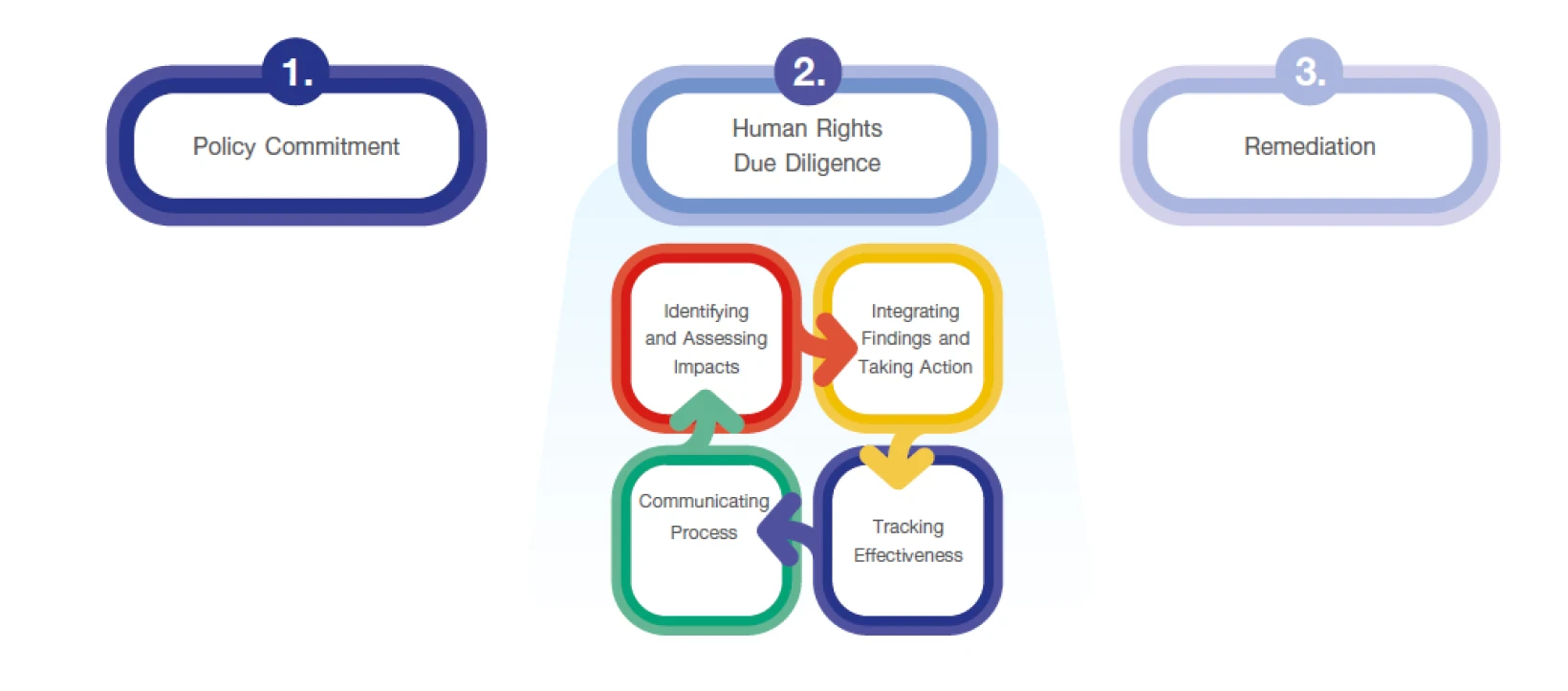
- Policy Commitment
The Company established the Human Rights Policy that encompasses the supply chain to serve as a framework for responsible business operations. The policy is reviewed annually and communicated both internally and externally through the corporate website and intranet. In addition, the Company has developed a human rights due diligence manual to support effective implementation and systematic monitoring.
- Human Rights Due Diligence
The Company identifies and assesses human rights risks across all business operations. The assessment results are integrated into the Company’s enterprise risk management system to define appropriate measures and implementation guidelines. Relevant indicators for mitigating, reducing, and responding measures are established using both qualitative and quantitative criteria to ensure effective monitoring and governance. The Company conducts continuous monitoring and evaluation of the implementation of these measures to prevent and minimize human rights violations. Assessment results are reviewed for appropriately improving and developing relevant measures or action plans, with the objective of minimizing the risk of human rights violations. The Company communicates and discloses relevant operational information to stakeholders through the corporate website and intranet.
- Remediation
The Company has established grievance mechanisms to address potential human rights violations. In such cases, the Company participates in all stages of the remediation process in accordance with applicable, fair, and transparent procedures. The Company places emphasis on responsibility and effective remedy to ensure that impacts suffered by affected stakeholders are managed promptly and appropriately and that damages are mitigated and restored. On a case-by-case basis, the Company considers various forms of remedy as follows:
- Verbal and/or written apologies
- Compensation
- Monetary and/or non-monetary compensation, as appropriate
- Assistance in facilitating access to alternative remediation for affected parties
Reporting of Human Rights Violations
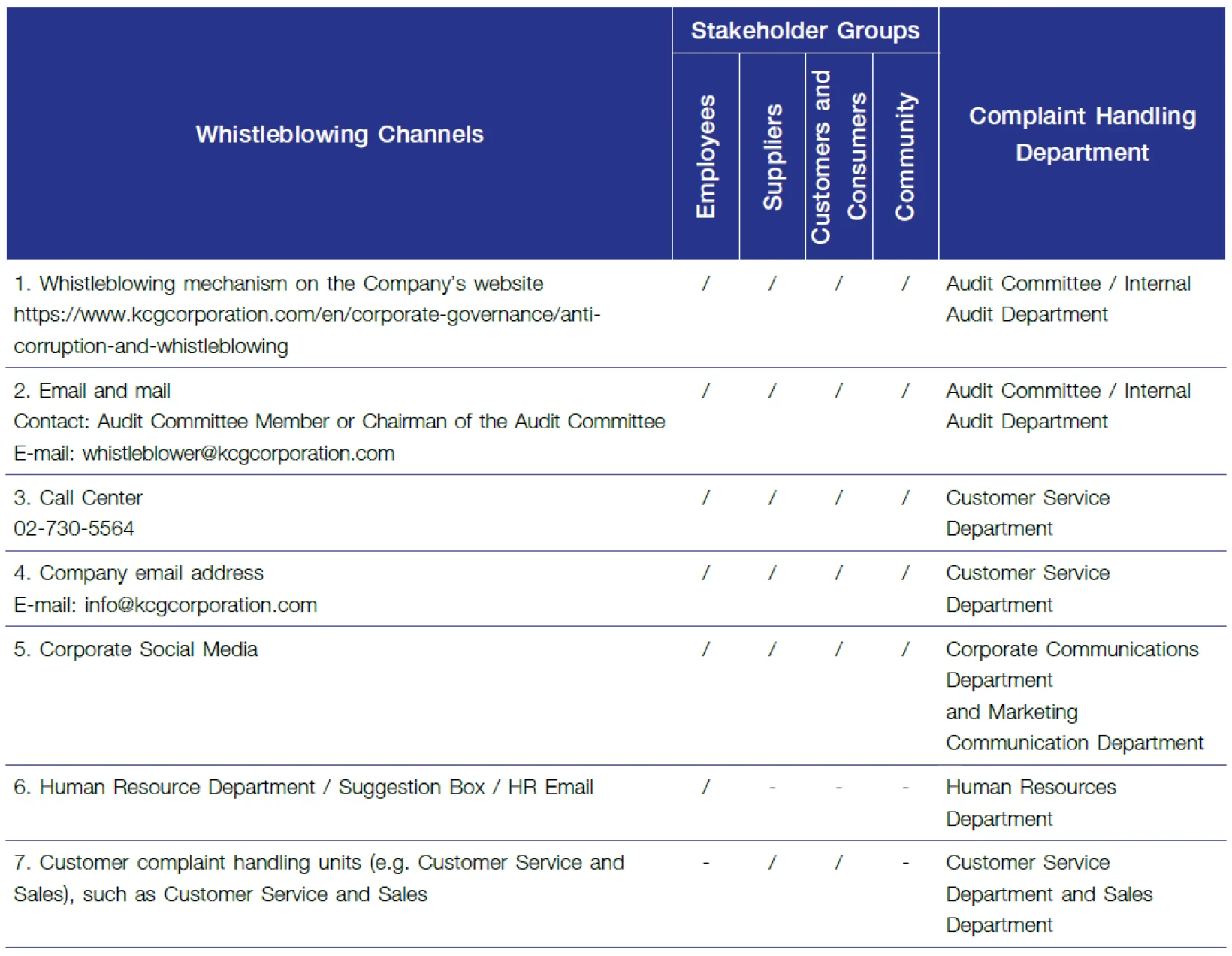
The Company has established systematic communication channels to receive feedback, complaints, and reports of potential human rights violations from stakeholders. Complaints or reports received will be forwarded to the Audit Committee, the Chairman of the Audit Committee, or the relevant responsible unit for investigation. The identity of the whistleblower will be kept strictly confidential, and all matters will be handled with the utmost discretion. Whistleblowers are protected and treated fairly in accordance with the Company’s Whistleblowing Policy.
For more information available in:
Whistleblowers may submit complaints or provide information through the designated whistleblowing channels. The responsible departments for handling complaints are specified according to each stakeholder group, as follows:
Supporting Suppliers on Human Rights
The actions of the Company's suppliers and stakeholders in the Company's supply chain may have an impact on the environment, society, and the economy. As a result, the company conducts sustainability risk assessments on new and critical suppliers, including social risk factors such as human rights violations, occupational health and safety, and personal data protection, etc.
If a supplier is identified as having a high level of sustainability risk or is subject to human rights violations, the Company will conduct additional assessments and monitor corrective actions until they are completed. If it is determined that the risk is caused by the supplier and cannot be effectively resolved and may affect the Company, additional measures may be implemented, or alternative suppliers may be considered
Human Rights Due Diligence Results for 2025
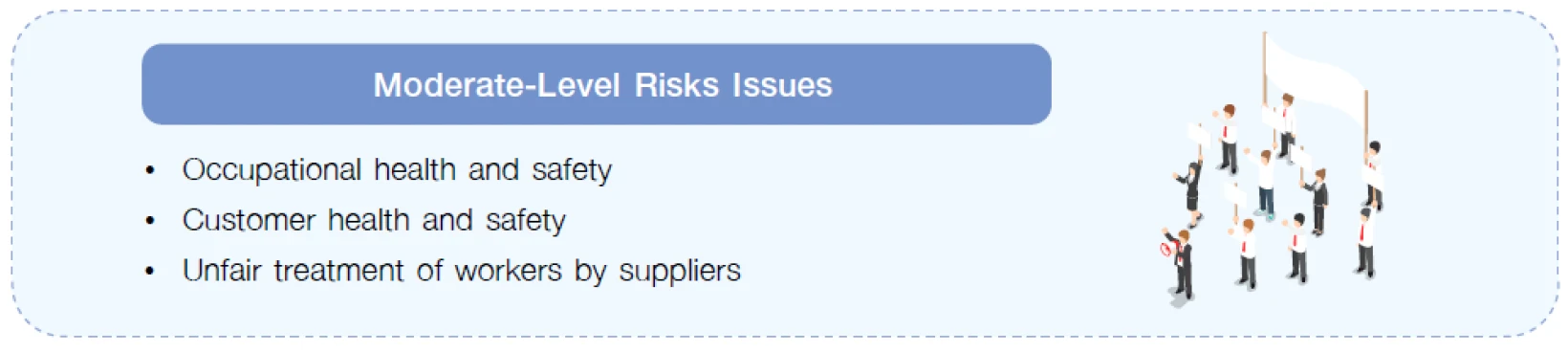
The Company’s Human Rights Due Diligence (HRDD) assessment identified no high-level human rights risks. Only low- and moderate-level risks were observed, and no human rights violations were found among suppliers. The findings are summarized as follows:
For more information available in:
Activities to Promote Awareness and Understanding of Human Rights
The Company aims to enhance knowledge and awareness to ensure that all personnel understand and correctly apply human rights principles by respecting human rights, treating one another equally, embracing diversity, and preventing discrimination. To achieve this, the Company has implemented hybrid communication and training programs for the Board of Directors, executives, and employee representatives, covering 11% of the total employees. This initial group was identified as having primary responsibilities related to human rights. In addition, the Company has disclosed its human rights due diligence report to stakeholders and has planned to provide human rights training to all employees by 2026 and transform the organization into a model for human rights best practices.
Promoting Equality and Diversity
The Company prioritizes promoting equality and fair opportunities for all stakeholders while respecting individual differences and diversity. Therefore, the Company has implemented a variety of projects to support the development, learning, and skill enhancement of vulnerable groups, as well as the generation of sustainable careers and income.
Additionally, the Company intends to expand its efforts to promote equality by collaborating with government agencies, the private sector, and civil society on projects that provide appropriate support to vulnerable groups and people with disabilities in order to establish a sustainable and fair organization and society.
Performance
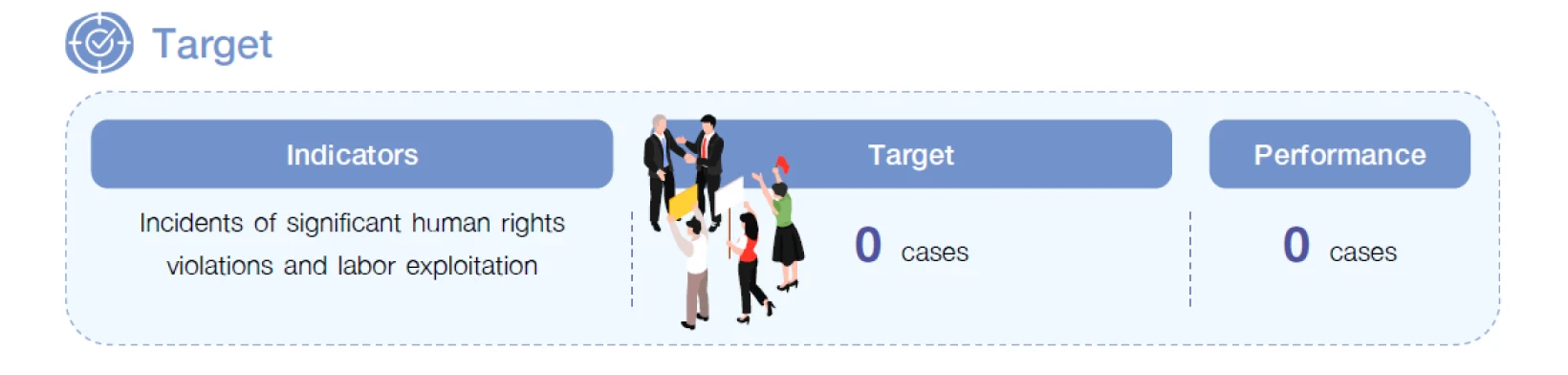
Based on the investigation and review of complaints received in 2025, the Company identified no incidents or allegations relating to human rights or labor rights violations. Furthermore, no fines, penalties, or compensation claims were imposed or incurred in connection with the Company’s operations or those of its internal and external suppliers.

Human Capital Management
Policies and Management Approach
The Company recognizes that human resources are the most important factor in achieving its goals and driving competitiveness and sustainable growth. As a result, the Company is committed to developing its human resources and ensuring fair and equitable treatment of employees. A Human Resources Committee was established, with the Chief Executive Officer appointed as the chairman to ensure smooth and consistent human resource management aligned with both short-term and medium-term strategic plans as follows:
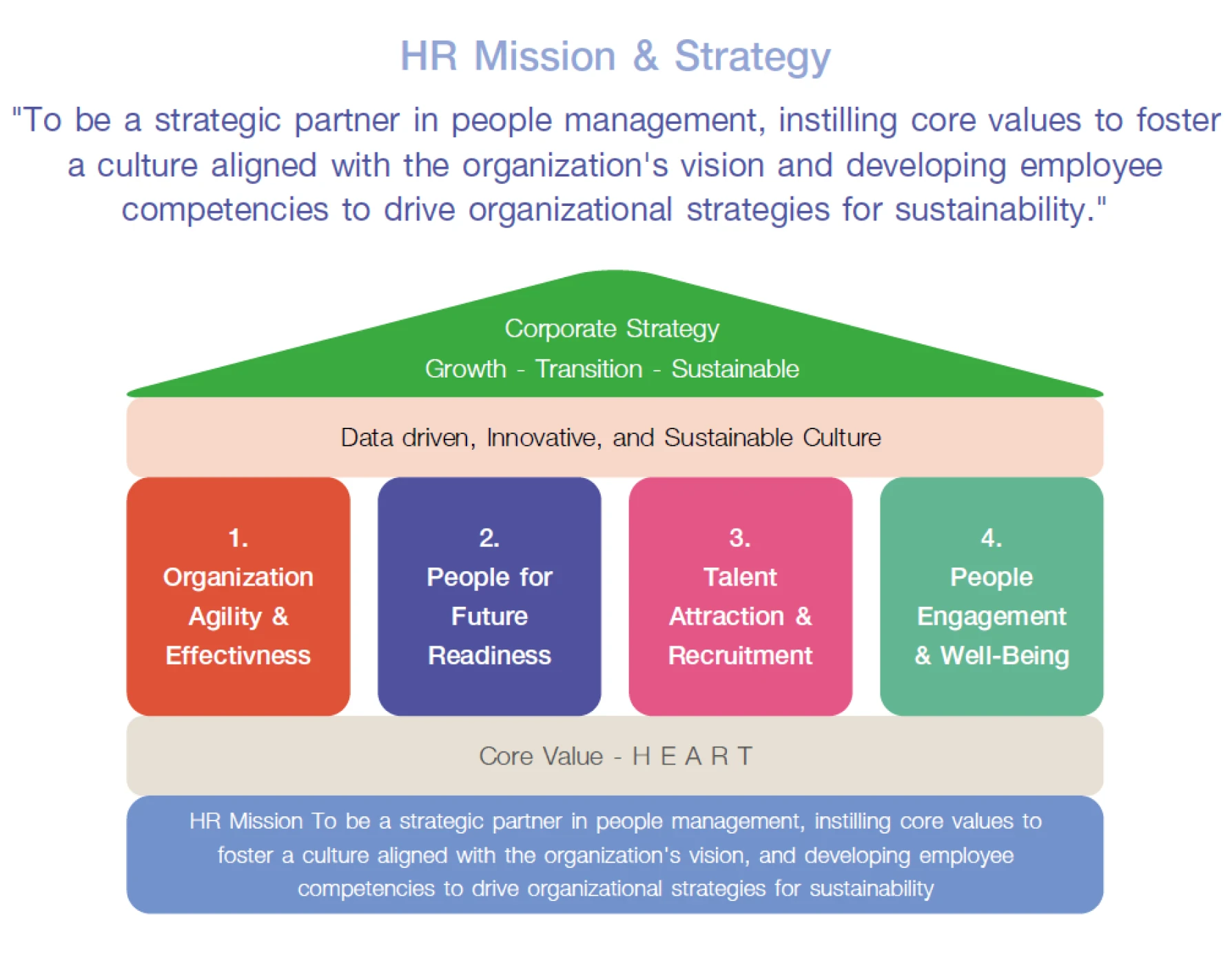
The Company aim to cultivate corporate values among employees through systematic human resource management, which encompasses four dimensions: Organization Agility & Effectiveness. People for Future Readiness, Talent Attraction & Recruitment, and People Engagement & Well-Being. This fosters a Data-driven, Innovative, and Sustainable culture, allowing the Company to accomplish its objectives.
Human resource management strategies
1. Restructuring Organization Agility & Effectiveness
The Company revised and developed the employee performance evaluation system in 2025 to establish a strong foundation for agile and efficient human resource management. The system emphasizes performance with assigned responsibilities, as well as behavior assessment that is consistent with the Company's core values. Additionally, measures were implemented to mitigate discrepancies in the evaluation of supervisors in performance evaluations.
Furthermore, the Company updated its promotion criteria to guarantee that candidates exhibit competence and team management skills.
At the same time, the Company implements workforce analytics and labor risk assessments in all departments to ensure that workforce planning is in accordance with business growth. This guarantees that the organization is prepared to support ongoing operations, existing projects, and potential future developments. The Company also conducts process reviews and organizational restructuring to improve overall operational efficiency and clarify roles and responsibilities.
Human Resource Management Overview
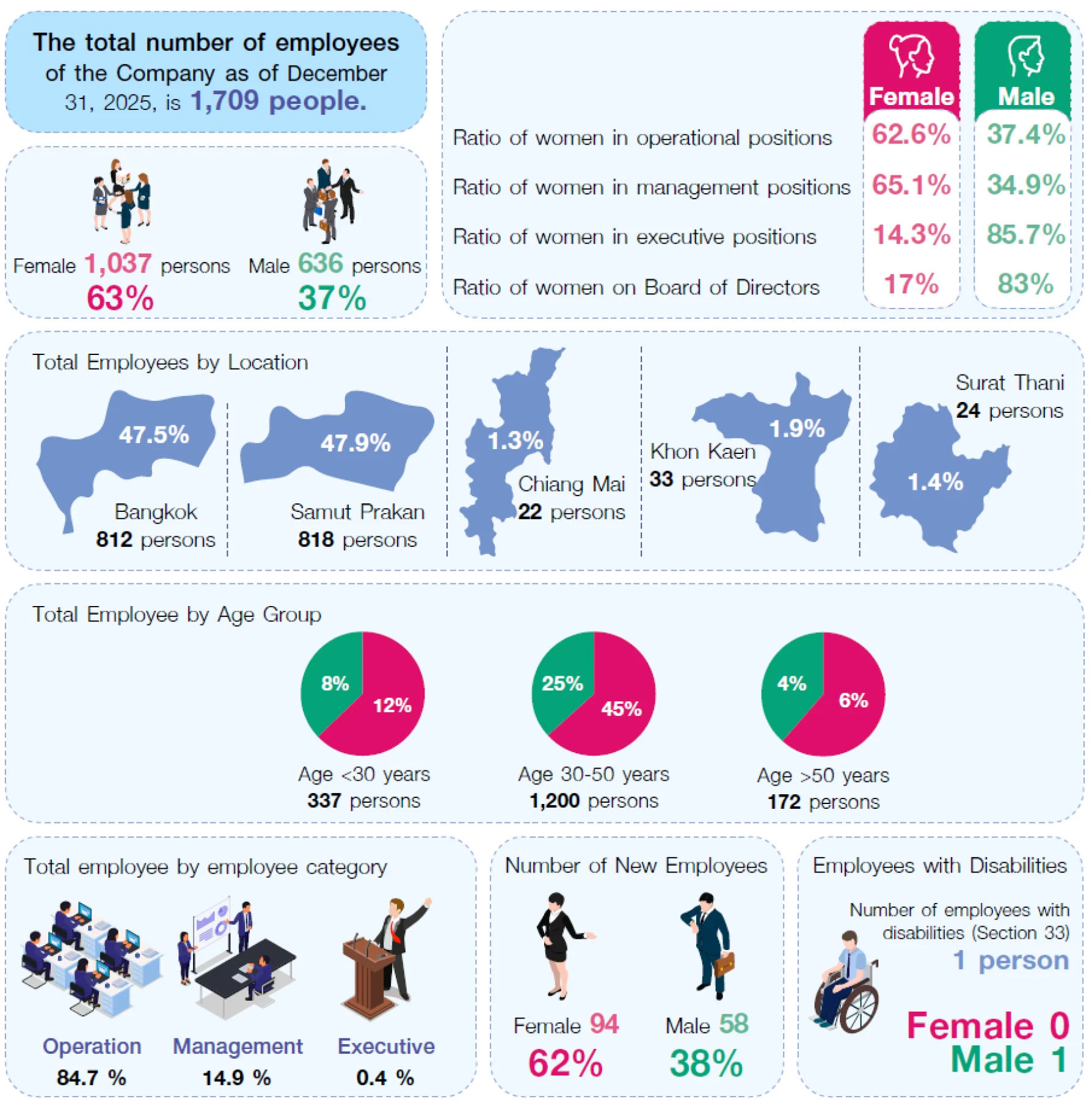
Equitable Treatment of Employees
The Company is committed to respecting the rights of employees in accordance with human rights principles and complies with labor laws by ensuring a fair hiring process and employment conditions without discrimination against gender, sexual orientation, race, religion, or culture, starting from the recruitment process to fair and appropriate remuneration based on their potential, position, and responsibilities. The Company also conducts performance evaluations fairly to foster career stability and create opportunities for career advancement.
Furthermore, the results indicated that there were no significant incidents of human rights violations or labor violations, nor any non-compliance with Thai labor standards in 2025.
Remuneration and Welfare Management
The Company has established clear, transparent, and appropriate criteria and methods for recruitment and remuneration, comparable to the same industry standards. The Nomination and Remuneration Committee reviews remuneration and presents it to the Board of Directors for approval. Additionally, a Welfare Committee, consisting of 5 employee representatives, was established with a responsibility to discuss and offer advice and/or suggestions to employers regarding welfare benefits, monitoring and overseeing the welfare benefits provided to employees. The Company has a policy of hiring and paying remuneration to employees based on their duties, responsibilities, experience, and educational qualifications, with no gender-based differences in the consideration process.
In 2025, the Company enhanced its employee benefits and welfare programs to ensure alignment with the current business context and environment. Flexible working hours were introduced, enabling employees to manage their work schedules in accordance with individual needs while remaining accountable for their assigned responsibilities. In addition, the Company implemented a revised annual performance evaluation system to ensure fair and equitable consideration of salary adjustments and overall remuneration. As of 2025, 100% of employees underwent an annual performance evaluation.
The Company maintains a structured wage framework, using the minimum wage rate of Bangkok and its vicinity as a benchmark. For provinces with higher wage rates than the Company’s criteria, wages are adjusted to match the local rate. Additionally, the Company conducts an annual performance evaluation for all employees, which serves as the basis for considering salary increases and remuneration.
2. Developing People for Future Readiness
- Employee Development
The Company places importance on employee development and care. Employees are the key driving force of the organization. The Company has set employee development goals focused on enhancing potential in alignment with the Company's strategies in 4 major areas:
1. Data and digital skill: Support data-driven organizations.
2. Leadership and managerial skill
3. Competency-based: Enhance skills and competency in consistent with employee responsibilities
4. Culture and core values: Instill behaviors that support the sustainable growth of the organization
Performance
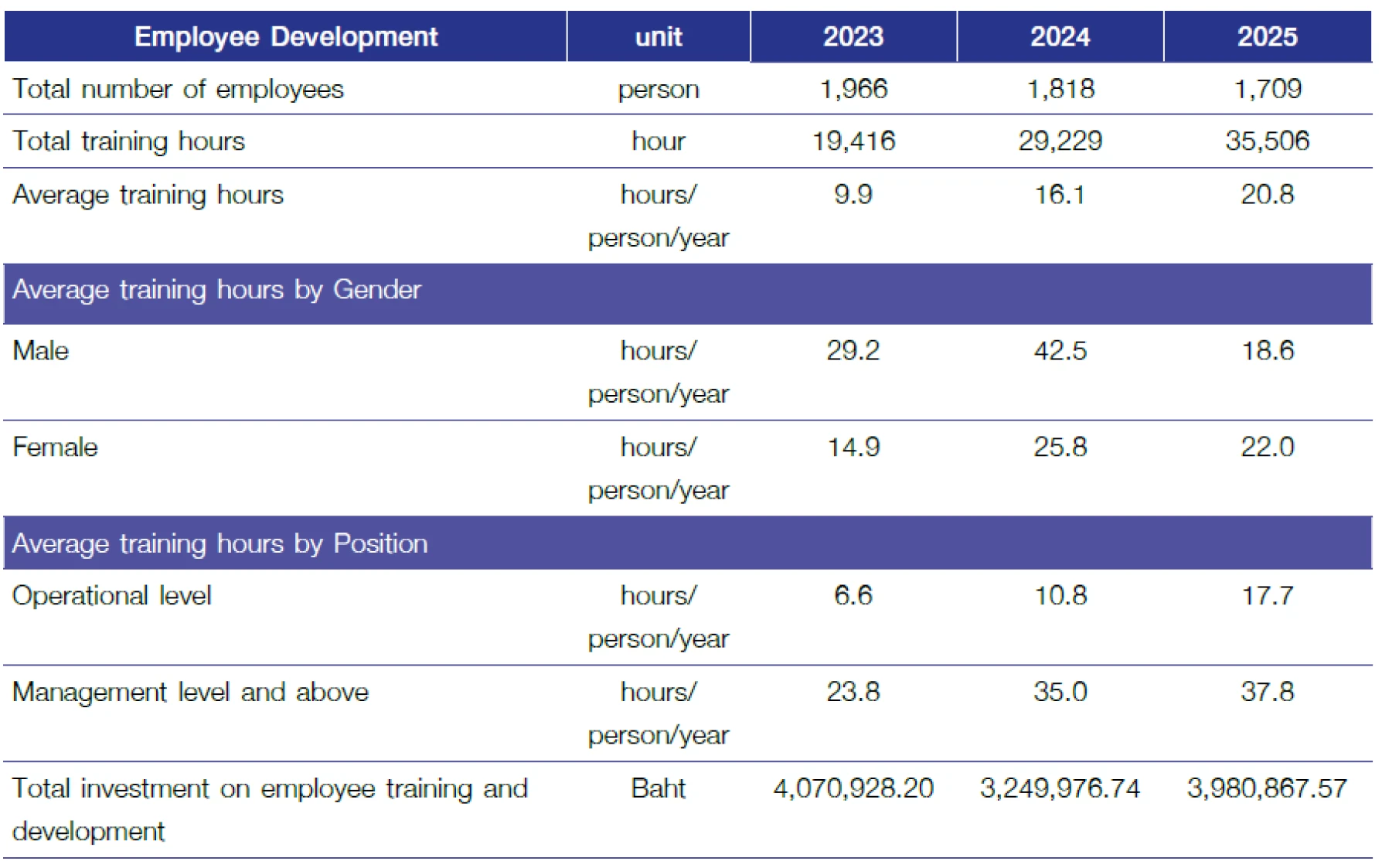
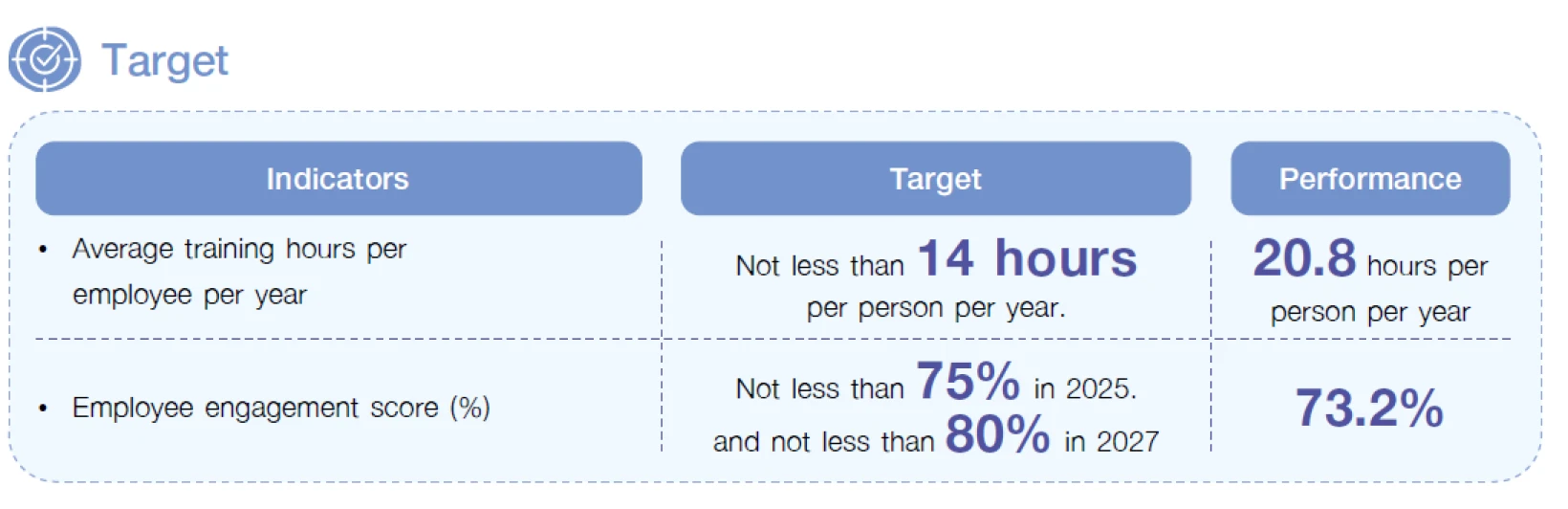
In 2025, the Company aimed for an average of 14 hours of employee training per year. The actual average training rate was 20.8 hours per person per year, or 3.46 days per year1, exceeding the set target. The company focuses on raising awareness and developing Data & Digital Literacy skills among executives and employees at all levels. This includes understanding and applying data in the workplace, understanding and implementing Artificial Intelligence (AI) technology, and cultivating a Digital Transformation mindset.
Based on previous training trends, the Company recognizes and prioritizes continuous learning opportunities for its employees. This includes broadening learning channels to ensure greater accessibility through online training, blended learning, and e-learning. Furthermore, the Company is revising its leadership development and talent management for implementation in 2026.
Remarks: 1Six hours are equivalent to one working day in accordance with the Occupational Safety, Health and Environment Act B.E. 2554 and the Notification of the Department of Labour Protection and Welfare.
3. Talent Attraction & Recruitment
The Company prioritizes developing recruitment and selection processes that reflect its values and culture. Integrating corporate values into the interview and selection process helps identify candidates with the necessary knowledge, skills, and attitude. Furthermore, the Company prioritizes providing learning opportunities to students from various educational institutions through its internship program. This promotes students’ engagement in practical, hands-on work experience and helps them gain experience in various fields, expanding their work experience and preparing them to be valuable assets in the future workforce.
4. People Engagement & Well-Being
- Employee Engagement Management
The Company has established an employee engagement management framework built on four key dimensions: Mental Health, Physical Health, Financial Health, and Social Health.
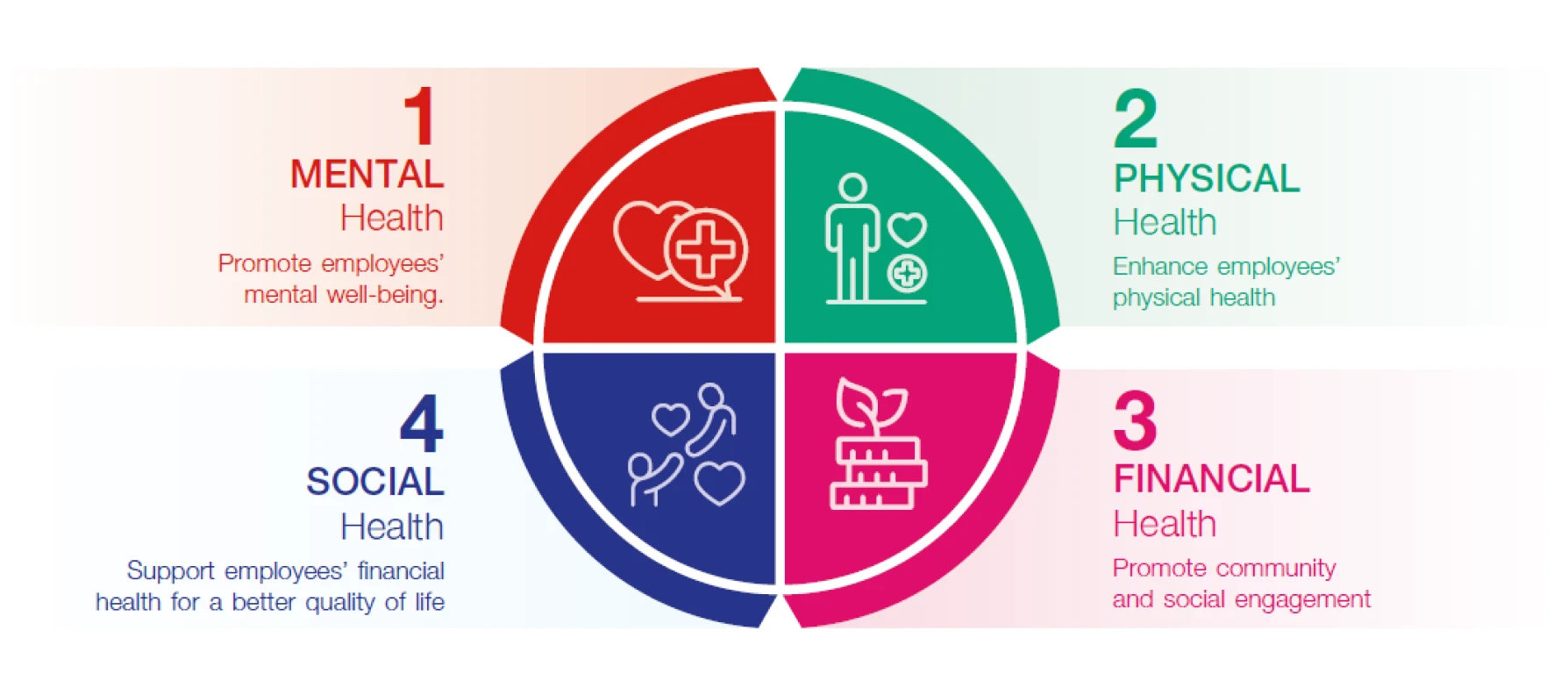
The Company believes that holistic well-being across the four dimensions of employee health contributes to enhanced work efficiency and overall performance. In 2025, the Company organized various employee engagement activities, including monthly birthday celebrations, stress management sessions, nutrition and financial management training, as well as seasonal activities.
Employees are invited to conduct employee engagement surveys and provide feedback on these activities. The Human Resource Department collects and analyzes the feedback to ensure that activities remain appropriate and aligned with employees’ needs. Senior executives receive monthly reports on progress and key insights.
Performance
Employee Engagement Survey
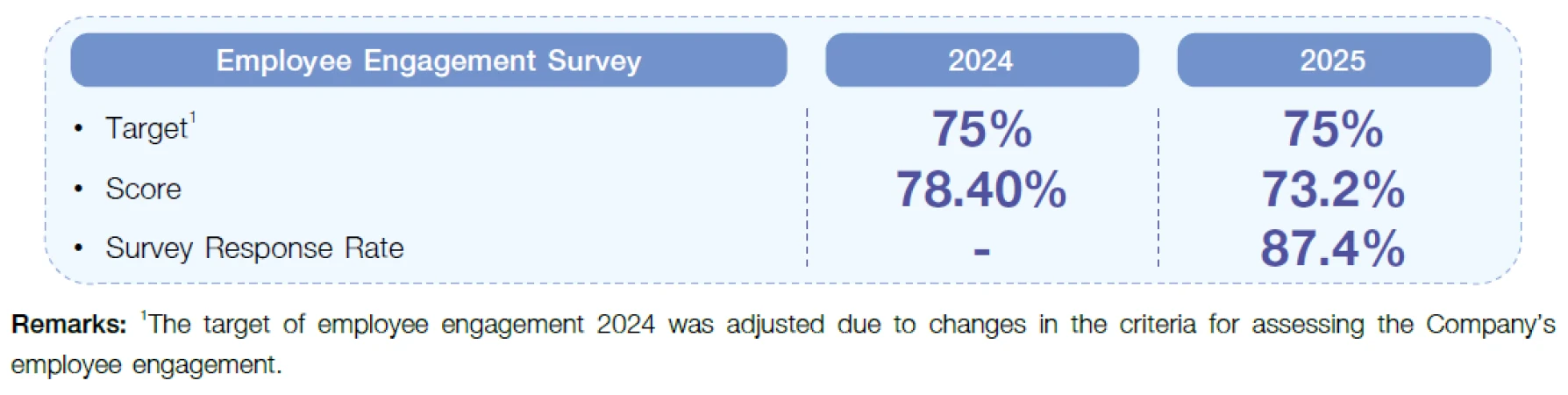
The Company conducts an Employee Engagement Survey to assess employees’ satisfaction and level of engagement with the organization, enabling continuous improvement of the work environment and enhancement of operational effectiveness.
In 2025, the Company refined the Engagement Survey process to ensure more accurate and reliable results that can effectively inform employee development plans for the following year. The evaluation factors were revised and categorized into two dimensions: organization and supervisory. The engagement target for 2025 was set at the same level as the previous year.
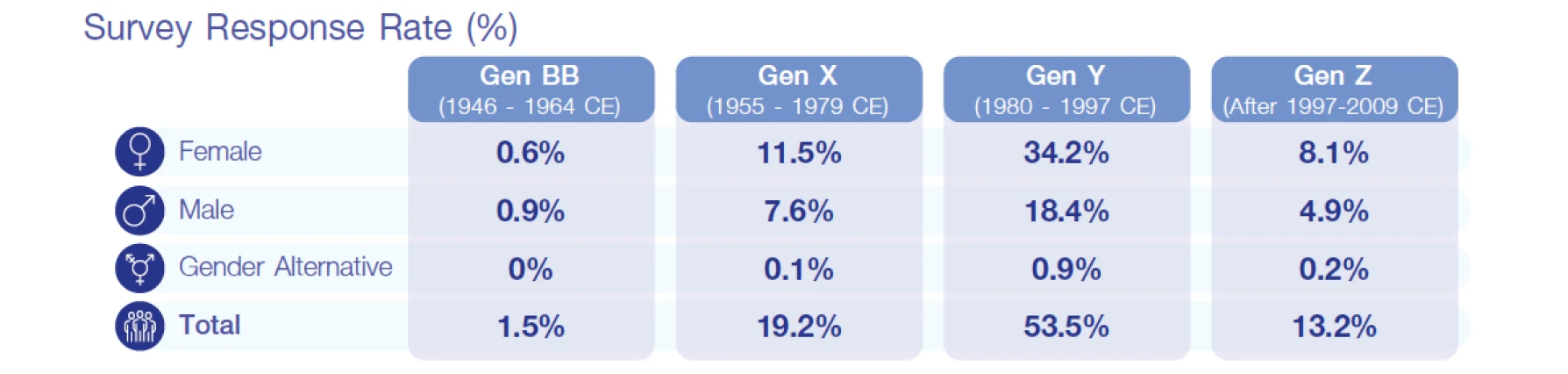
Survey Response Rate (%)
In 2025, the employee engagement score declined to 73.2%, falling short of the set target. In response to these results, the Company has implemented the following measures to improve and strengthen employee engagement:
- Analyze key issues and feedback identified from the Employee Engagement Survey results
- Communicate the survey results to all employees
- Human Resource Department incorporates employee feedback to improve action plans for the following year
- Monitor the implementation progress and employee satisfaction
More information on other highlight human rights and human capital management projects is available in KCG Sustainability Report 2025
KCG Sustainability Performance Data 2025 - Social Performance